Gallipoli Restaurant

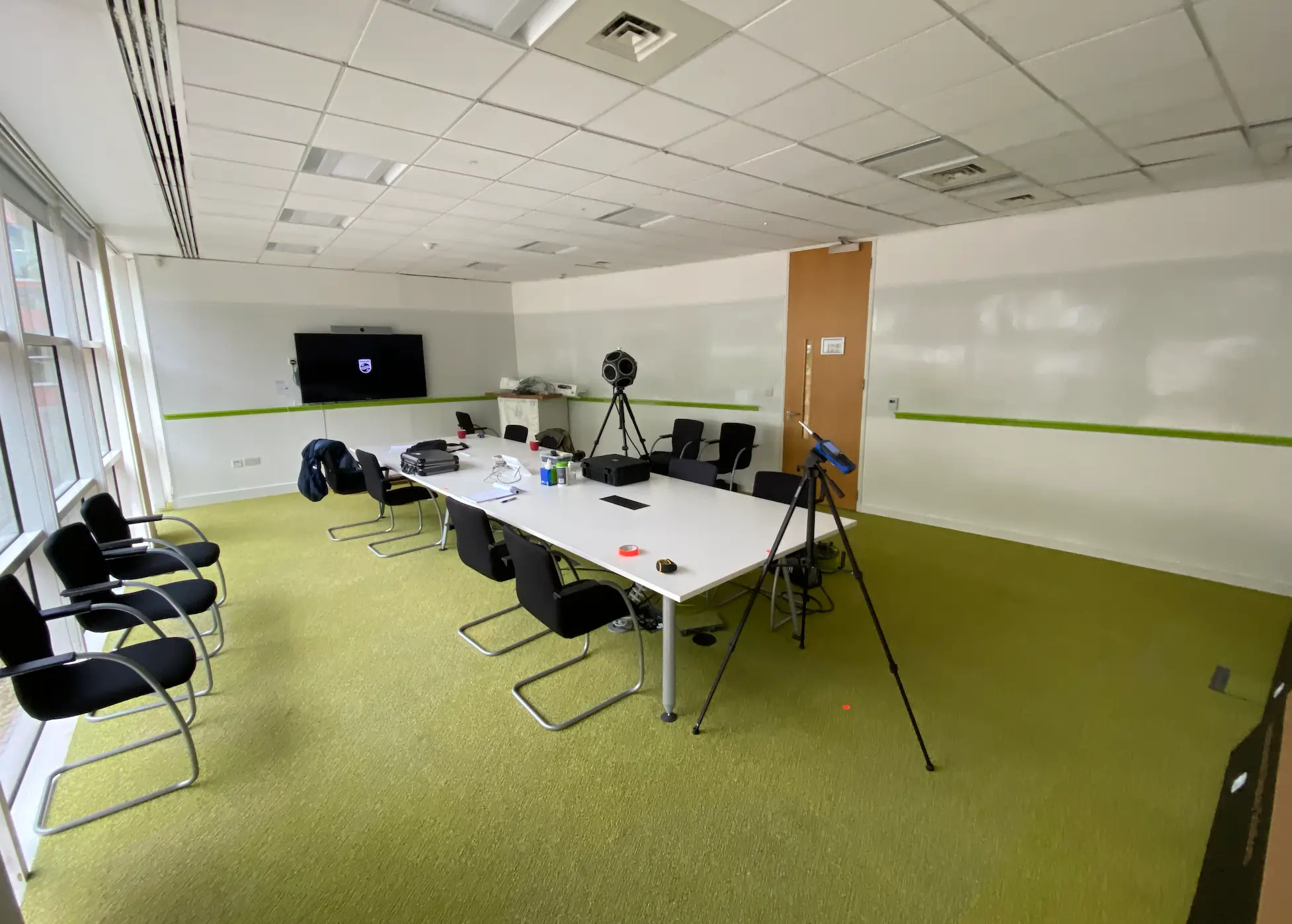
We have designed acoustic solutions for demanding environments across multiple industries. Each project taught us something about the relationship between sound, space, and human experience.

Morbi sed imperdiet in ipsum, adipiscing elit dui lectus. Tellus id scelerisque est ultricies ultricies. Duis est sit sed leo nisl, blandit elit sagittis. Quisque tristique consequat quam sed. Nisl at scelerisque amet nulla purus habitasse.

Nunc sed faucibus bibendum feugiat sed interdum. Ipsum egestas condimentum mi massa. In tincidunt pharetra consectetur sed duis facilisis metus. Etiam egestas in nec sed et. Quis lobortis at sit dictum eget nibh tortor commodo cursus.

Odio felis sagittis, morbi feugiat tortor vitae feugiat fusce aliquet. Nam elementum urna nisi aliquet erat dolor enim. Ornare id morbi eget ipsum. Aliquam senectus neque ut id eget consectetur dictum. Donec posuere pharetra odio consequat scelerisque et, nunc tortor. Nulla adipiscing erat a erat. Condimentum lorem posuere gravida enim posuere cursus diam.

Challenge

Solution

Result

Impact

Image Gallery

Lorem ipsum dolor sit amet, consectetur adipiscing elit.

"EMC Acoustics transformed our restaurant's acoustic environment with precision and care. Their electroacoustic solutions delivered exactly what we needed." — Hakan Gulsen, Baraka Restaurant, London

Hakan GULSEN
Baraka Restaurant, London

The foundation of acoustic design rests on a simple truth: sound is energy, and energy obeys laws. These laws do not bend to aesthetic preference or budget constraint. They exist independent of our wishes, and the engineer who ignores them builds failure into the structure.

When sound enters a space, it behaves predictably. High frequencies dissipate quickly, absorbed by soft materials and air itself. Low frequencies persist, traveling through walls and floors, accumulating in corners where they create pressure zones and standing waves. Mid-range frequencies scatter and reflect, bouncing from hard surfaces in patterns that can either clarify or muddy the acoustic environment.

The challenge in modern architecture stems from the materials we choose. Glass and steel are economical and visually clean. They are also acoustically hostile. A glass partition reflects sound with minimal loss. A concrete floor bounces it back with precision. Steel beams transmit vibration throughout a structure. These materials create spaces that sound harsh, fatiguing, and often uninhabitable for extended periods.

Consider the open office. The concept promised collaboration and transparency. The acoustic reality delivered constant distraction. Sound from one workstation travels unimpeded to the next. Conversations overlap. Concentration becomes impossible. Productivity suffers. The problem is not the people or the work. It is the acoustic environment itself.

"The acoustic environment directly affects human performance and wellbeing, not merely preference but physiological response."

Solving this requires intervention at multiple levels. First comes measurement. An acoustic consultant enters the space with instruments that quantify what the ear perceives as discomfort. Reverberation time is measured in seconds. Background noise is measured in decibels. Speech intelligibility is quantified through standardized tests. These numbers become the design targets.

Absorption addresses the first problem. Porous materials like fiberglass, mineral wool, and melamine foam trap sound energy within their structure. The sound wave enters the material, bounces between fibers, and gradually loses energy through friction. What emerges is heat, not sound. The effectiveness of absorption depends on frequency. Most materials absorb high frequencies readily but struggle with low frequencies, which require greater thickness or specialized construction.