
Construction Noise & Vibration Assessments
Construction activities without a BS 5228 assessment routinely trigger planning conditions, resident complaints and enforcement notices that delay programmes and increase contractor costs.

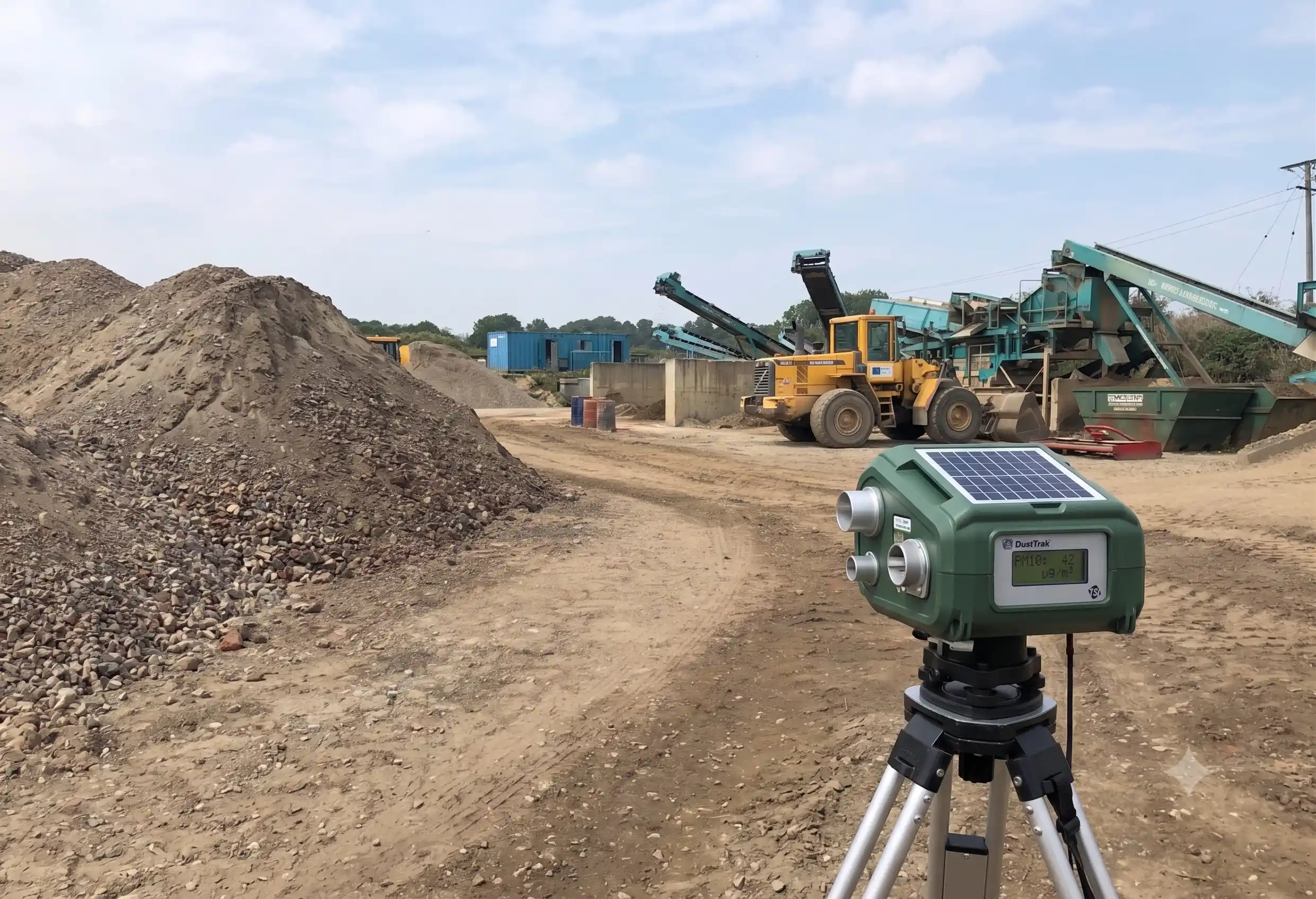
Construction Noise & Vibration Assessments — What They Involve
Construction projects adjacent to residential properties, schools and healthcare facilities can generate noise and vibration levels that affect occupants throughout the build programme. Without a structured assessment, developers and contractors have no baseline against which to manage complaints, defend planning conditions or demonstrate responsible practice.
Construction noise and vibration assessments predict the impact of plant and activities on sensitive receptors using BS 5228 methodology, compare predicted levels against agreed thresholds, and specify the mitigation measures required to bring impacts within acceptable limits for planning approval.
This service is commissioned by developers, contractors and planning consultants, typically at pre-application stage for inclusion in a planning submission or Environmental Statement, and at construction stage to produce an Environmental Management Plan.
Why is a construction noise and vibration assessment important for your project?
Planning consent
Local planning authorities require a BS 5228 assessment for most major developments near noise-sensitive receptors, including residential properties, schools and hospitals. Without it, planning consent is unlikely to be granted or conditions cannot be discharged.
Receptor protection
A structured assessment identifies which activities and plant pose the greatest risk to residents and occupiers in surrounding buildings. Predicted impacts can be managed through mitigation before complaints arise rather than in response to them.
Contractor programme support
BS 5228 predictions are directly applicable to Environmental Management Plans, demonstrating that the contractor has identified noise-generating activities and agreed working methods to minimise impact. This supports responsible site management and aids relations with neighbouring occupiers.
Vibration damage risk management
Construction vibration from piling, demolition and compaction can cause cosmetic or structural damage to adjacent buildings. A BS 5228-2 vibration assessment establishes safe working limits and monitors compliance throughout intrusive phases of the programme.
What is BS 5228 and how does it apply to construction projects?
BS 5228 is a two-part British Standard published by BSI covering noise control on construction and open sites. Part 1 addresses airborne noise; Part 2 addresses vibration. It is the methodology required by most local planning authorities when assessing the impact of construction activity on nearby sensitive receptors, and is referenced in planning conditions across England and Wales.
The standard predicts noise levels for individual items of plant and construction activities, assessed against daytime, evening and night-time thresholds. Vibration is assessed to BS 5228-2 using peak particle velocity, with separate criteria for structural damage and human response. Where piling or demolition could affect adjacent structures, pre-construction condition surveys are typically required alongside the assessment.
Assessment report and EMP
Site review and programme assessment
We review the construction programme, plant schedule and site layout to identify the activities and equipment most likely to generate significant noise and vibration levels at nearby receptors. Sensitive receptors, including residential properties, schools, hospitals and other occupied buildings, are identified and their proximity to site activities confirmed.
Noise and vibration prediction
Using BS 5228 calculation methods, we predict noise levels at each sensitive receptor for each phase of construction and compare them against the relevant assessment thresholds. Vibration predictions are carried out to BS 5228-2 for intrusive activities including piling, demolition and compaction.
Mitigation specification
Where predicted levels exceed the assessment thresholds, we specify mitigation measures and working method controls to bring predicted impacts within acceptable limits. Measures may include acoustic hoarding, noise-reduced plant alternatives, restricted working hours and revised programme sequencing.
Assessment report and EMP
A construction noise and vibration assessment report is produced covering methodology, predictions, comparison against thresholds and recommended mitigation, formatted for inclusion in a planning application, Environmental Statement or Environmental Management Plan.
Questions
Find answers to common questions about noise assessment and compliance.
Local planning authorities require a BS 5228 construction noise and vibration assessment for most major development applications near noise-sensitive receptors. The requirement is typically set out in the local authority's validation checklist or requested at pre-application stage. We confirm the specific scope required once we have reviewed the project brief and site location.
Deliverables typically include a construction noise and vibration assessment report covering all relevant construction phases and plant types, predicted noise and vibration levels at sensitive receptors, mitigation recommendations, and an Environmental Management Plan chapter where required for planning. We also provide monitoring support during intrusive construction phases on request.
BS 5228-1:2009+A1:2014 is the primary standard for construction noise assessments in the UK and is required by most local planning authorities. BS 5228-2:2009+A1:2014 applies to vibration from construction activities. NPPF noise policies and local planning authority requirements govern how predictions are used in planning decisions.
We require the construction programme, including which plant and activities are planned for each phase, the site boundary plan and the location and nature of sensitive receptors adjacent to the site. For vibration assessments, details of piling method, demolition approach and compaction equipment are needed to inform the predictions.
Where predictions exceed the assessment thresholds, we identify which activities and plant are the primary contributors and specify targeted mitigation. Options include acoustic hoarding, noise-reduced or electrically powered alternatives to diesel plant, revised sequencing to move noisy activities away from sensitive periods, and restricted working hours. We advise on the most cost-effective combination for the programme.
Need more information?
Reach out to discuss your assessment needs.
Talk to an Acoustic Consultant
Looking for advice on building acoustics, noise control, environmental assessments, or compliance? Send us a message and we'll respond as soon as possible.


.webp)