
M&E Noise Control
HVAC systems without acoustic input routinely exceed BS 8233:2014 noise criteria; remediation once plant is commissioned is costly, disruptive and rarely achieves the required performance.
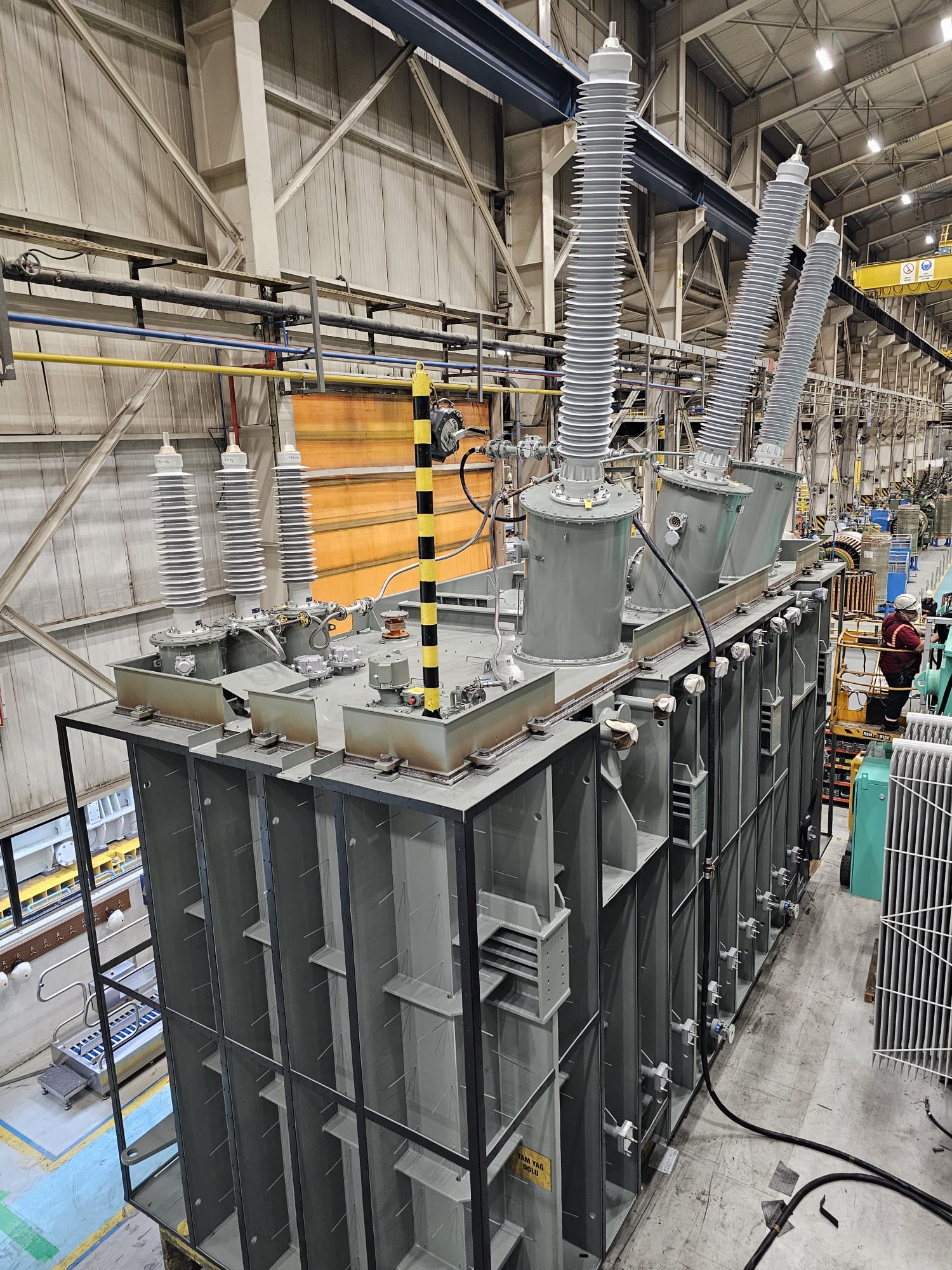

M&E Noise Control — What It Involves
Background noise from mechanical and electrical services is the most common cause of internal noise failures in completed commercial, healthcare and education buildings. Specification decisions made by the M&E engineer without acoustic input routinely produce HVAC noise levels that exceed BS 8233:2014 or sector-specific criteria, requiring costly attenuation after commissioning.
M&E noise control involves predicting ductborne and radiated plant noise at occupied spaces using manufacturer data and acoustic calculations, specifying attenuation measures to meet the applicable internal noise criteria, and coordinating those requirements with the M&E design before plant selection and ductwork routing are finalised.
This service is commissioned by M&E engineers, architects and developers, typically at RIBA Stage 3 when ductwork layouts are being designed and plant specifications are still subject to change. It is also commissioned post-occupancy when noise complaints from building services require diagnosis and remediation.
Why is M&E noise control design important for your building?
Internal noise criteria compliance
BS 8233:2014, BB93, HTM 08-01 and BREEAM HEA 05 all set defined background noise targets for occupied spaces. M&E noise control design specifies the attenuation and plant selection required to meet the applicable criteria from the outset, preventing failures at commissioning.
HVAC and plant coordination
Ductwork sizing, fan selection, attenuation positions and plant mounting arrangements all affect noise levels in occupied spaces. Coordinating acoustic requirements with the M&E design before ductwork is sized and equipment is selected avoids the cost of replacing or modifying installed plant.
BREEAM and building control compliance
BREEAM HEA 05 credits require background noise levels in occupied spaces to meet defined criteria, and M&E noise control input during design protects those credits. Building control may also require evidence of compliance with background noise targets for education and healthcare buildings.
External plant noise assessment
Mechanical plant on rooftops, plant rooms and external enclosures can generate noise levels at neighbouring properties that require a BS 4142 assessment for planning consent. We assess plant noise impact at receptors and specify attenuation measures where predictions indicate a potential adverse impact.
What standards apply to M&E noise control?
BS 8233:2014 provides internal ambient noise level design ranges for occupied buildings, covering offices, residential, healthcare and other spaces. It is the primary reference for M&E noise assessment on commercial and mixed-use projects. Sector-specific standards apply alongside it: BB93 sets indoor ambient noise targets for school buildings; HTM 08-01 sets criteria for NHS and private healthcare facilities.
Where mechanical plant may affect neighbouring properties, BS 4142:2014+A1:2019 applies alongside BS 8233:2014. BS 4142 provides the methodology for rating plant noise against measured background levels at receptors and is required by most local planning authorities for plant noise assessments. NPPF noise policies govern how these assessments inform planning decisions.
Commissioning verification
Noise criteria review
We identify the applicable internal noise criteria for each occupied space, including BS 8233:2014 design ranges, BB93 targets, HTM 08-01 requirements or BREEAM HEA 05 thresholds as appropriate. Criteria are agreed with the client and M&E engineer before noise predictions are carried out.
M&E noise prediction
Using manufacturer sound power data, ductwork attenuation calculations and room acoustic parameters, we predict ductborne and radiated plant noise levels in each occupied space and compare them against the applicable criteria. Where external plant may affect neighbouring properties, we assess noise levels at receptors to BS 4142.
Attenuation specification
Where predicted levels exceed the noise criteria, we specify the attenuation required, including silencer type, size and location, fan selection criteria, anti-vibration mounting specifications and ductwork lining requirements. Specifications are produced in a format suitable for inclusion in the M&E tender package.
Commissioning verification
On completion, we measure background noise levels in occupied spaces to confirm installed plant meets the applicable criteria. Where levels exceed targets after commissioning, we diagnose the cause and specify targeted remedial attenuation, coordinating with the M&E engineer or contractor on the most practical solution.
Questions
Find answers to common questions about noise assessment and compliance.
M&E noise control is needed on any project with a defined internal background noise target, including projects seeking BREEAM credits under HEA 05, BB93 compliance for education, HTM 08-01 compliance for healthcare, or BS 8233:2014 criteria for offices and residential. It is most effective when commissioned at RIBA Stage 3, alongside the M&E design, before plant is selected and ductwork is sized.
Deliverables typically include a room-by-room noise prediction report with attenuation specifications, a plant noise assessment to BS 4142 where external plant is involved, and a post-commissioning measurement report confirming background noise levels in occupied spaces. For BREEAM projects, we provide the acoustic evidence report in the format required for HEA 05 submission.
BS 8233:2014 sets internal ambient noise design ranges for most building types and is the primary reference for M&E noise assessment. Sector-specific standards apply alongside it: BB93 for schools, HTM 08-01 for healthcare and BREEAM HEA 05 for certified projects. BS 4142:2014+A1:2019 applies where plant may generate noise affecting neighbouring properties.
We require sound power data for all plant items, ductwork layout drawings, room dimensions and finishes for each occupied space, and confirmation of the applicable noise criteria. Most M&E engineers can supply manufacturer acoustic data at Stage 3 once indicative plant selection has been made. We advise on the specific data format required at the start of the commission.
If background noise levels exceed the specified criteria after commissioning, we carry out diagnostic measurements to identify the noise path and primary source, then specify targeted attenuation. Remediation options typically include additional ductwork silencers, anti-vibration mounting upgrades, access panel sealing and, in more severe cases, acoustic enclosures around plant items. We advise on the most cost-effective solution once the diagnosis is confirmed.
Need more information?
Reach out to discuss your assessment needs.
Talk to an Acoustic Consultant
Looking for advice on building acoustics, noise control, environmental assessments, or compliance? Send us a message and we'll respond as soon as possible.


.webp)